- German
- English
- Biography
- ENTANGLE
- BEACHING
- STATE OF AFFAIRS
- OBVIOUS
- FACEANDBOOK.ME
- TRUST PINK!
- Homo@Habitat – the evolution of British Lifestyle Design
- STYLINGS
- LAPSES OF MEMORY
- ALEMANNO
- ARE WE HUMAN?
- GOLD
- PLASTIC NUCLEAR BOMBS
- HOLY
- What i see is What you get
- Imprint
- Contact
- Privacy Policy
BEACHING
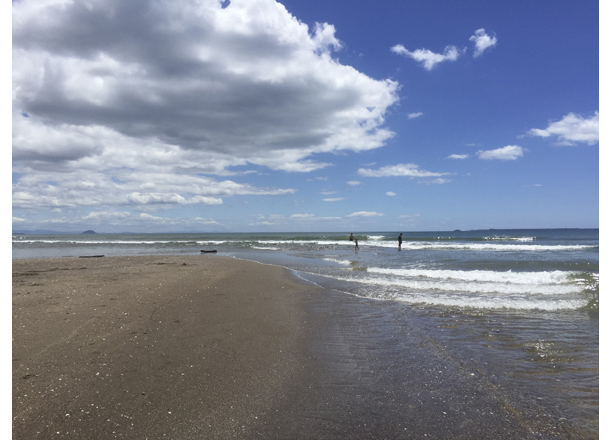
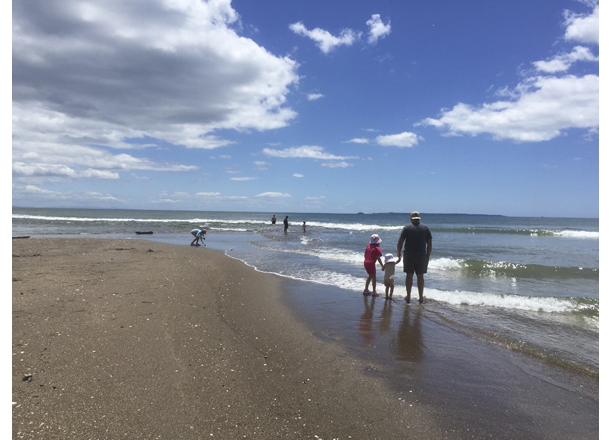
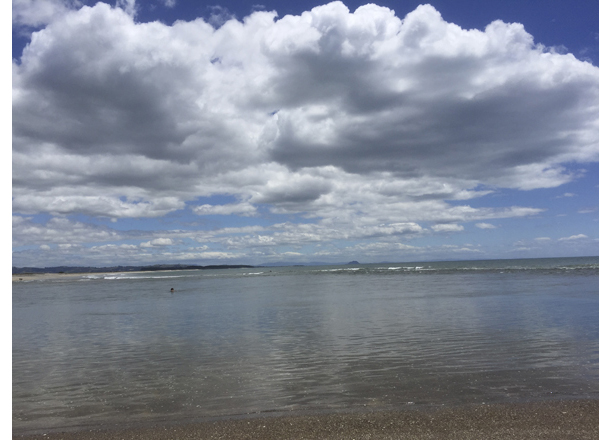
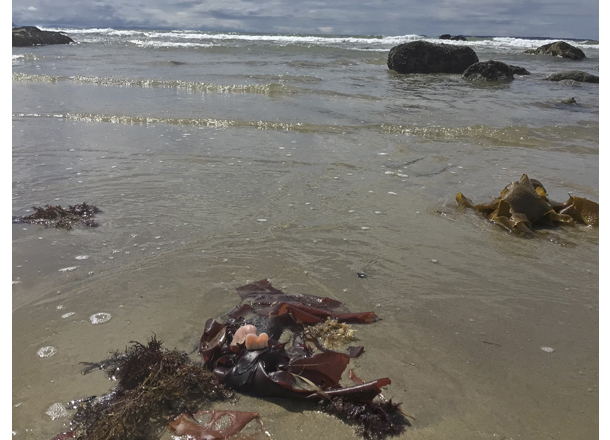
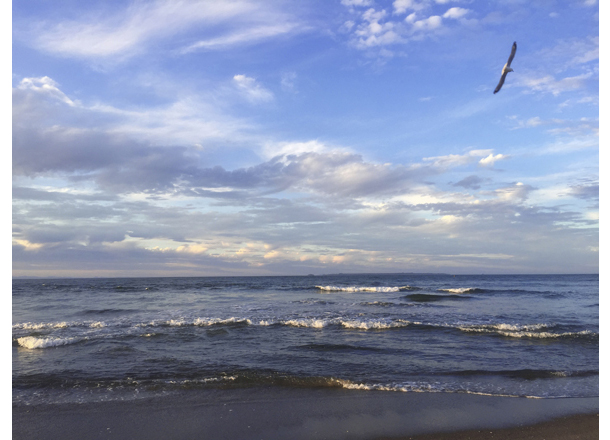
AOTEAROA, January 2025. It is early in the morning, and high above me, gracious and consistent, there is the fluffy quilt of cloud that gave Aotearoa its name: Land of the Long White Cloud. In the Maori language, ao means “cloud, earth, world, day, daylight, twilight,” tea stands for “white, bright, clear, radiant,” and roa is “large, long, high”.
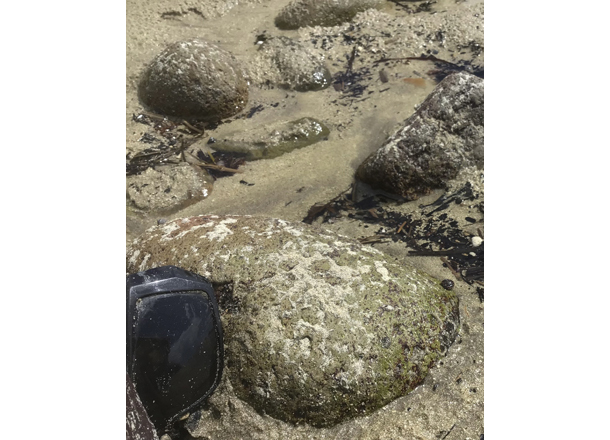
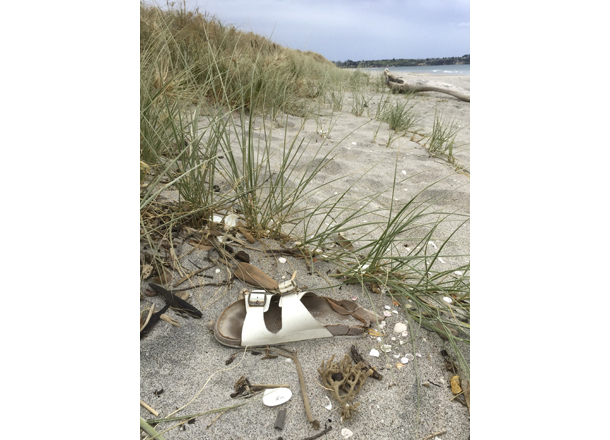
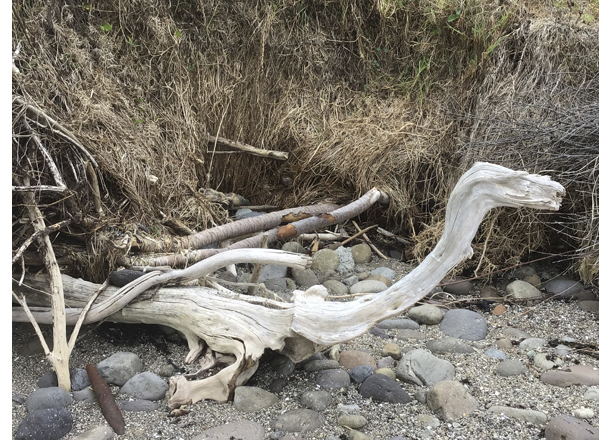
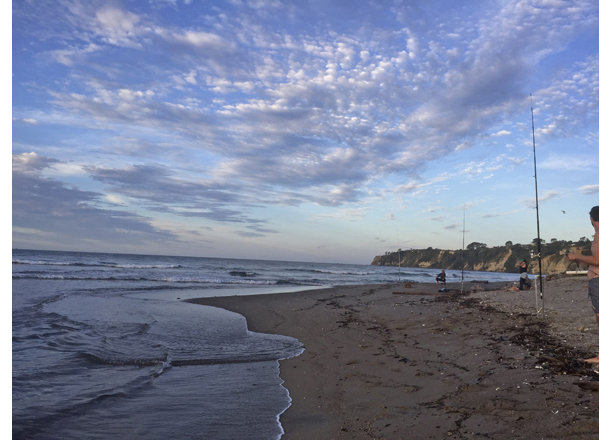
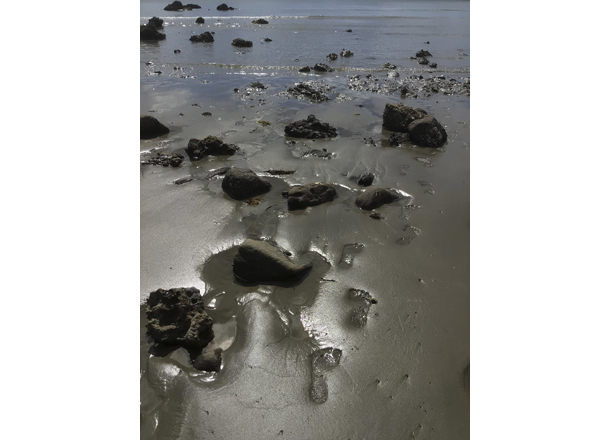
Some days, I like to stroll along the beaches here. For me it is like being in an enchanted world, a place somehow left behind. At first just for fun—though maybe out of my habit of always taking a closer look—I start dragging treasures ashore or find them already beached in the sand.
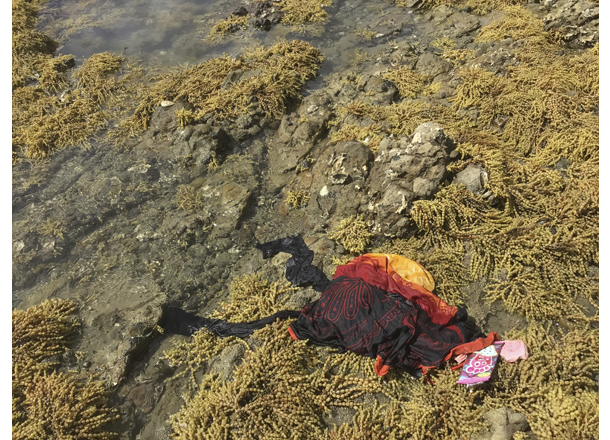
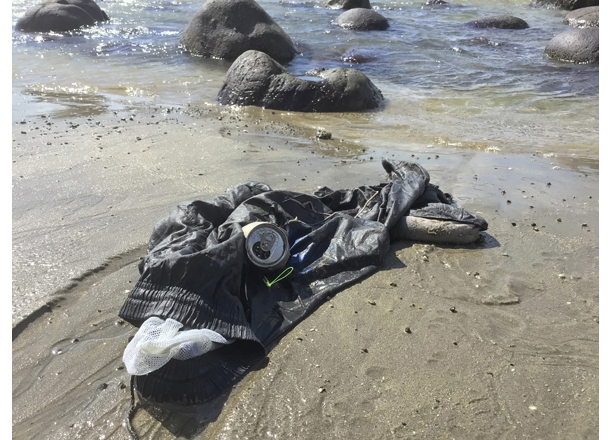
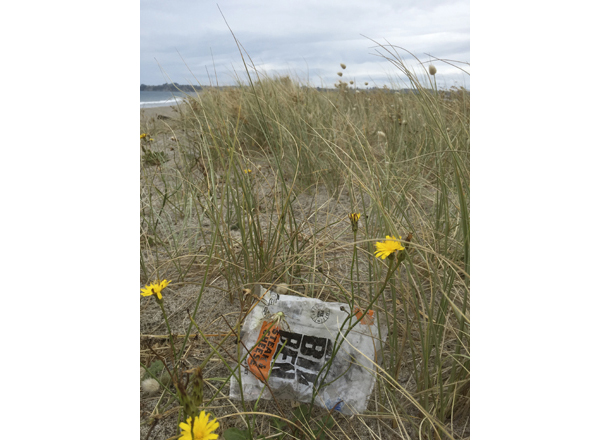
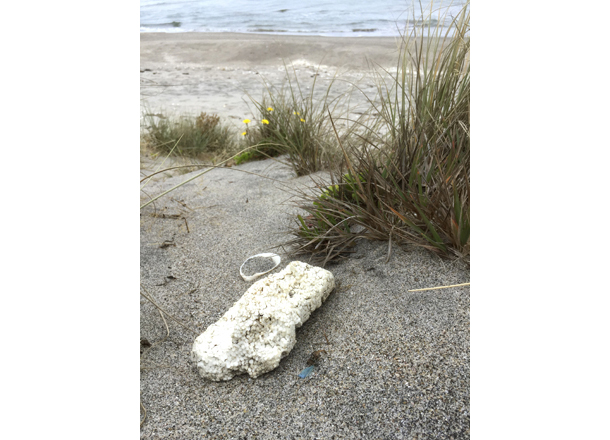
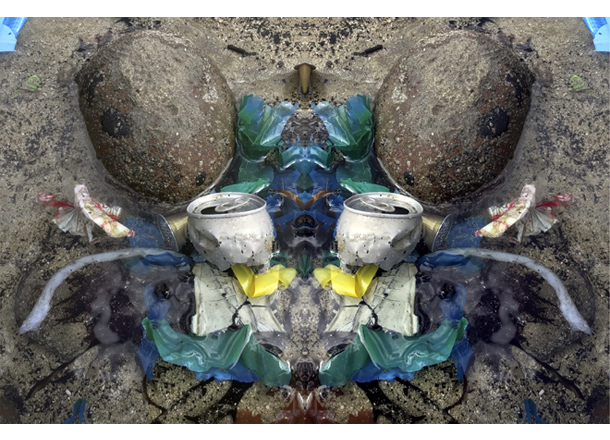
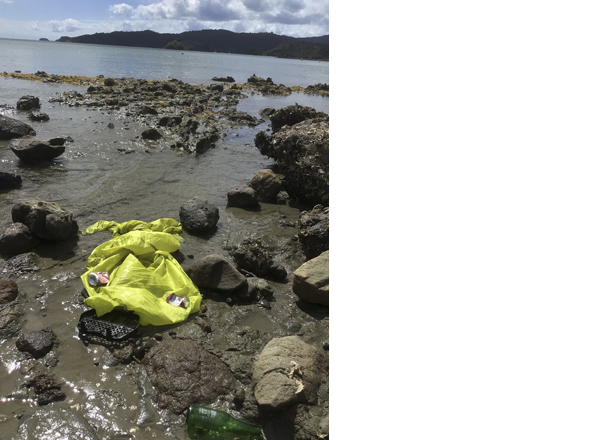
I am collecting aluminum cans, plastic parts, cords, ropes, glass and plastic bottles, polymer containers, empty bags for chips and candy, shoes and clothing made in China, India, or Madagascar.
What is all this? Unwanted, out-of-fashion, broken, discarded, forgotten, lost, dumped in the Pacific, and washed up by the tide.
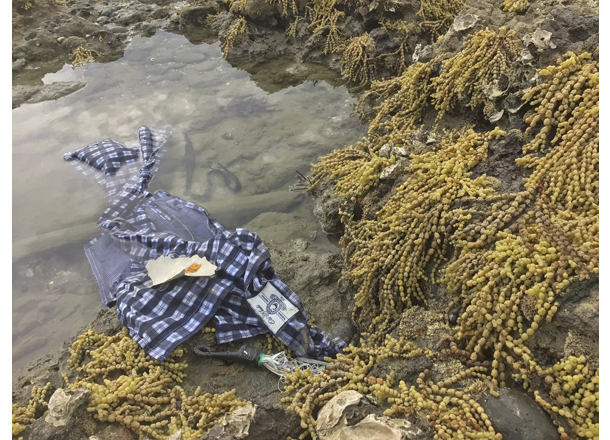
Hey, humans: some of the raw materials used for their production will take a few million years to regrow, and several thousand liters of water go into the making of one cotton shirt.
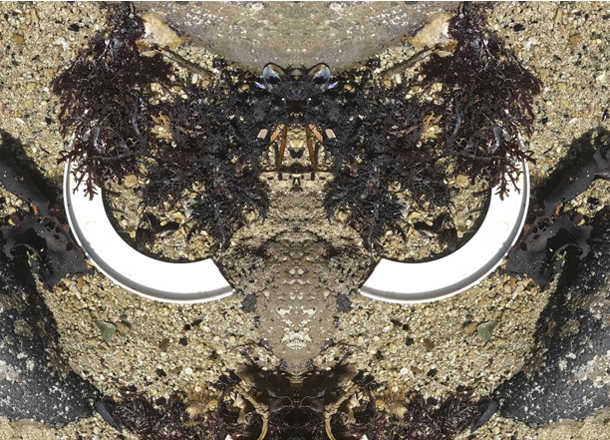
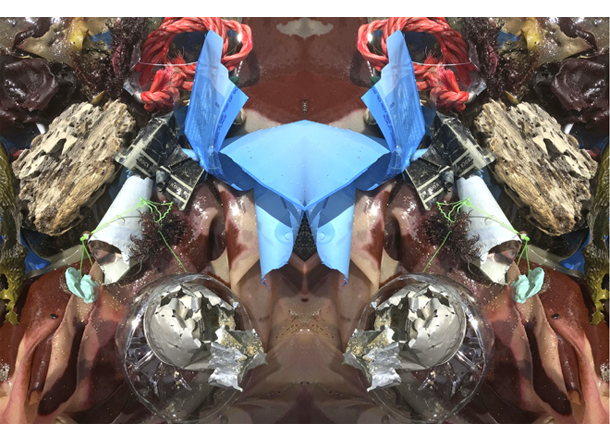
So, at first just out of curiosity, I start plucking at my findings here and there, and whoa! there\'s my first composition. What does it look like? For me, it seems to be the “tip of the iceberg”. And while these objects here may be still countable, their sheer quantity in all the oceans is overwhelming.
Hey humans: take a moment to consider: less is more! You are merely a guest of nature.
I will continue tomorrow morning. For here and now, I’m going to use the checkered kid-sized shirt I found to make myself a new miniskirt—all handmade, stitch by stitch.
In July, my hometown Berlin will enjoy the height of midsummer, and that\'s when I\'ll be wearing my new treasure skirt on Wannsee beach and other occasions.
Notes:
AOTEAROA originally only meant the North Island of what is today New Zealand
There are five huge gyres of garbage in the oceans, accumulating gigantic amounts of refuse, two-thirds of which consist of plastics. This decomposes into microplastics and ends up in the food chain. The Great Pacific Garbage Patch is the largest of those gyres: a floating island of garbage that weighs about three million tons. Covering an area equivalent to that of Central Europe today, it has expanded to a hundred times its original size since the 1980s.
With the growing world population, excessive consumption and waste are increasing at the same rate.
Translation: Werner Richter
AOTEAROA, January 2025. It is early in the morning, and high above me, gracious and consistent, there is the fluffy quilt of cloud that gave Aotearoa its name: Land of the Long White Cloud. In the Maori language, ao means “cloud, earth, world, day, daylight, twilight,” tea stands for “white, bright, clear, radiant,” and roa is “large, long, high”.
Some days, I like to stroll along the beaches here. For me it is like being in an enchanted world, a place somehow left behind. At first just for fun—though maybe out of my habit of always taking a closer look—I start dragging treasures ashore or find them already beached in the sand.
I am collecting aluminum cans, plastic parts, cords, ropes, glass and plastic bottles, polymer containers, empty bags for chips and candy, shoes and clothing made in China, India, or Madagascar.
What is all this? Unwanted, out-of-fashion, broken, discarded, forgotten, lost, dumped in the Pacific, and washed up by the tide.
Hey, humans: some of the raw materials used for their production will take a few million years to regrow, and several thousand liters of water go into the making of one cotton shirt.
So, at first just out of curiosity, I start plucking at my findings here and there, and whoa! there\'s my first composition. What does it look like? For me, it seems to be the “tip of the iceberg”. And while these objects here may be still countable, their sheer quantity in all the oceans is overwhelming.
Hey humans: take a moment to consider: less is more! You are merely a guest of nature.
I will continue tomorrow morning. For here and now, I’m going to use the checkered kid-sized shirt I found to make myself a new miniskirt—all handmade, stitch by stitch.
In July, my hometown Berlin will enjoy the height of midsummer, and that\'s when I\'ll be wearing my new treasure skirt on Wannsee beach and other occasions.
Notes:
AOTEAROA originally only meant the North Island of what is today New Zealand
There are five huge gyres of garbage in the oceans, accumulating gigantic amounts of refuse, two-thirds of which consist of plastics. This decomposes into microplastics and ends up in the food chain. The Great Pacific Garbage Patch is the largest of those gyres: a floating island of garbage that weighs about three million tons. Covering an area equivalent to that of Central Europe today, it has expanded to a hundred times its original size since the 1980s.
With the growing world population, excessive consumption and waste are increasing at the same rate.
Translation: Werner Richter